



April 2026
There’s been some buzz recently brought on by an interesting update from the USDA and their National School Lunch Program (NSLP). This is great news for the dairy industry as the USDA is putting whole milk back on the table. In an article on April 2026, Hoard’s Dairyman highlighted changes tied to the latest Dietary Guidelines for Americans, including new flexibility that allows schools to offer 2% and whole milk again. This is an important shift in the growing understanding of fat.
The History of Milk
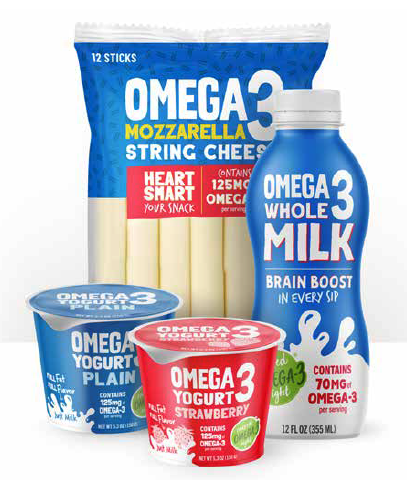
To really understand why this matters, you need look at how we got here. For years, low-fat and fat-free dairy were pushed as the healthier choice, largely because of concerns around saturated fat. That thinking shaped everything from grocery store shelves to school menus. But nutrition science doesn’t stand still. Over time, research has continued to evolve and so has our understanding of fat. What we’re seeing now is a return to a more balanced view—one that recognizes that not all fats are created equal, and that whole foods, including full-fat dairy, have a place in a healthy diet. In other words, the idea that “good fat is back” isn’t just a trend—it’s backed by science.
The Great Imbalance
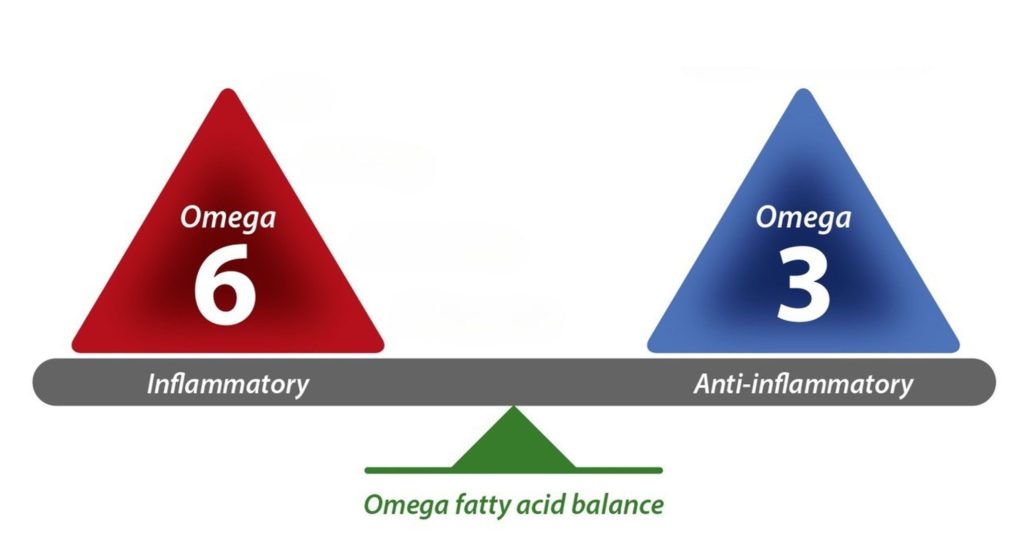 We’re in a dilemma when it comes to what we put on our plates. North American diets consist of a big imbalance in the Omega-6 to Omega-3 ratio which is currently around 20:1, and that’s a concern as well as an opportunity. High Omega-6 diets lead to inflammation and a range of long-term health concerns. To bring this ratio to a recommended balance of 4:1 we need to reduce our Omega-6 consumption and increase our dietary intake of Omega-3’s.
This is now the opportunity for dairy processors and retailers to realize that nutritionally better full-fat Omega-3 enriched dairy products like cheese, full fat milk and yogurt can be introduced to the school lunch programs. This adds a new value-added initiative to dairy and to our children’s menus while at school. Natural dairy products rich in Omega-3’s can displace the complex and processed carbohydrate products that have been inserted for children’s diets over the past 30 years. What needs to happen to complete the full nutritional circle is a simple change to a dairy cows feeding program. Therefore, adjusting dairy cow diets by reducing corn, soya bean or canola is an option. And in turn inserting Omega-3 feed ingredient options, such as products rich in flaxseed. One such Omega-3-rich feed ingredient source is called linPRO-R. The formula for linPRO-R includes one of the world’s oldest and healthiest ingredients – linseed or also known as flaxseed. And because of this inclusion of flaxseed into linPRO-R, it is an excellent source of ALA Omega-3 fatty acid.
linPRO-R is made through an advanced patented technology by O&T Farms and was purposely developed for their own livestock operations which they started in 1967. While flaxseed brings a high volume of the Omega-3 anti-inflammatory benefits, its usefulness due to raw (whole seed) format is limited. The hard outer shell of the flaxseed serves a purpose, to protect the unstable (highly oxidative) PUFA Omega-3 fat/oil. That hard outer shell does a great job of protecting the PUFA Omega-3 fat but makes the whole seed difficult to consume and digest for the cow. Through O&T Farms patented process, the linPRO-R product line becomes palatable, stable and is rumen protected. Incorporating flaxseed into dairy cow diets via linPRO-R, is a real option and can boost the Omega-3 levels naturally in the raw milk while also improving the cow’s health and performance.
This results in healthier cows that produce milk products that are richer in Omega-3 nutrients.
How this All Works
Omega-3s are anti-inflammatory polyunsaturated fatty acids that bring numerous beneficial results. All of which means this is exciting news for the higher fat milk options in the School Lunch Programs and can open the door to Omega-3 rich dairy products such as whole milk, cheese, and yogurt. Helping correct the dietary imbalance for our children and getting the O6:O3 balance closer to 4:1.
The Benefits
The benefits of Omega-3’s are wide-ranging. They are known to support heart health, improve brain function, reduce inflammation, and strengthen the immune system. For kids, that can translate into better focus, steadier energy, and overall improved well-being—things that matter both inside and outside the classroom. The exciting development to the USDA’s recommendations means this opens families ability to access foods with healthy Omega-3 fats, and they are foods we already enjoy and love.
This is where everything connects. By starting with a better Omega-3 feed ingredient such as linPRO-R we improve animal health and performance. This then leads to the milk being naturally enriched with Omega-3’s, which in turn supports healthier children. It’s a full-circle approach that we believe in strongly:
Healthy Feed – Healthy Animal – Healthy Food.
At the end of the day, this dietary shift in school milk options is about more than just choice. It reflects a growing understanding that nutrition is about balance, quality, and how food works in the body—not just what’s been removed from it. Whole milk, especially when naturally enriched with Omega-3s, fits right into that picture.


heart health

brain health

joint health
