News
NEWSLETTER SIGN UP

The global events of the past year have dramatically changed consumer awareness to health, immunity and nutrition. Consumers have become more health conscious and are seeking nutritionally better foods (ie. Omega-3 enriched, immunity related products). Information transparency is now an essential attribute for any product, and the availability of digital information ensures no one cuts corners. The origin of products and their grow-out attributes (ie. cage-free) are more important than ever before.
2021 presents a continued opportunity for both the livestock and food industries to innovate and provide healthier products (promote immunity) that will meet the transparency consumers expect.

The livestock feeding strategies of the preceding 50 years are characterized with high energy, saturated fat, omega-6 fatty acids, trans-fatty acids, and all with a corresponding low amount of omega-3 fatty acid intake. This feeding strategy provides a ω-6: ω-3 ratio, that is approximately 12:1 for livestock.
Correspondingly, for humans the ω-6: ω-3 ratio is even higher and is now approximately 25:1. This is in stark contrast to the ratio recommended by the World Health Organization of 4:1 for humans.
The dietary fatty acid imbalance has harmful effects on livestock performance (immune depression, loss of productivity and compromised reproduction). The same fat imbalance that exists for humans is responsible for higher incidences of cardiovascular diseases, cancer and auto-immune diseases. The cause and effect of the dietary imbalance between the w-6: w-3 ratio, is similiar to the chain reaction we see with falling dominoes. This domino effect starts with how we feed our livestock and progresses through to the functional foods we eat as humans.

In 1929 the husband-and-wife team of George and Mildred Burr (University of Minnesota) discovered the importance that fatty acids mean to our health. Their research identified fatty acids being an important component of dietary balance; ultimately leading to the term “essential fatty acids” (EFAs). They established the importance of a balanced ω-6:ω-3 dietary fat ratio. Unfortunately, their research findings did not progress much further for nearly seventy (70) years, as the scientific information was seldom discussed nor understood. Fast forward to 2000 and essential fatty acids remerged as an important dietary topic.
The importance of fatty acids in human nutrition first gained importance in the early 2000’s. Human nutritionists, dieticians and progressive producers/processors saw the need for value-added foods and supplements that provided a balanced omega solution. While the balanced fatty acid dietary progression has been slow, it has steadily gained momentum in the feed and food markets. Several progressive producer/processors in the egg market were the first to see the natural Omega-3 enrichment. Today markets like Omega-3 eggs, dairy and meats are the culmination of such a balanced dietary intake to the ω-6: ω-3 ratio. It starts with what we feed our livestock.
In broilers it has been found that by narrowing the dietary ω-6: ω-3 ratio from 30:1 to 5:1, there is improved growth performance as well as immune response. It also results in healthier chicken meat, enriched with long chain ω-3 poly-unsaturated fat[1]. A recent study published from the University of Guelph (Canada) indicates that feeding breeder layers with just 0.5% omega-3 fat (from 2.5% [inclusion] of linPRO, a dry-extruded flaxseed product) resulted in pullets entering the laying phase with a robust skeleton. The outcome is stronger eggshells, larger laying clusters and less culling due to skeletal issues.
In dairy cows, Penn State University Dr Troy Ott’s research with Omega-3’s (2016-2020), has shown the importance of maintaining proper energy and balanced fatty acids during the transition period. Such a balanced fatty acid feeding strategy has multiple benefits for dairy cows, including optimized immunity, productivity and reproductive functions[2].
In humans, improving the intake of ω-3 towards 1% of total energy intake can be beneficial for mitigating risk of cardiovascular disease. Additionally, a 1g incremental intake of α-linolenic acid (ALA) has been associated with 10% reduction in coronary heart disease related mortalities[3].
We cannot ignore that both omega-6 and omega-3 fats are essential for normal growth and development of livestock and human beings. Because ALA, an essential fatty acid, is both physiologically and metabolically distinct and cannot be synthesized in animals and humans’ bodies it needs to be consumed in dietary intake. It is important to account for the ratio of ω-6 to ω-3 fats when formulating diets to avoid potential negative effects.
Adequate dietary supplementation of livestock diets with novel and beneficial dietary supplements is gaining in importance as it significantly improves production and general performance of livestock and protects animals’ health.
Before considering any re-balancing of omega-3 feed formulas and observing benefits, it is crucial to incorporate fatty acid profiles of major ingredients in a feeding matrix and adding them as new dietary criteria in our feed software.

A small change in feed formulation can have a positive impact on the health of animals leading to measurable gain in productivity for the producer, while allowing a processor to market food that contributes to the human population’s health attributes. This is the ultimate domino effect (value-chain) for an integrated food company.
Balancing an animal’s diet to include dry-extruded flaxseed (linPRO) will result in changes to the fatty acid profile of the food and quantifiable changes in animals’ plasma fatty acids. Experience and studies show that feeding 5% dry-extruded flaxseed to livestock reduced their saturated fatty acids, correspondingly decreased the omega-6: omega-3 ratio and increased the total omega-3 fatty acids. This same study reported increased levels of omega-3 fatty acids by 54% in butter, 60% in meat and 186% in eggs[4]. In fact, the ability to enrich eggs, dairy or meats with an Omega-3 value has a linear effect. The more Omega-3 feed added to a livestock’s diet the greater the Omega-3 value in the food. Simply Effective, Simply Healthy!
O&T Farm’s research on omega-3 fatty acids continues to show the health benefits of these dietary nutrients. The development of a cooperative agri-food reformulation strategy that focuses on livestock feeding practices, will also support the goals of human health organizations, while ultimately providing consumers with naturally enriched immunity foods. The goal as we progress forward should be to improve immunity response for livestock and humans alike.
[4] Annals of Nutrition and metabolism; 2002; 46(5): 182:91
Thanks to associate Helene Briand from BMC Groupe for contributions to this Newsletter.
March 2021
Recent news about specific types of fat sources being fed to dairy cows has created significant media and consumer attention. Questions have arisen on alternate energy sources, sustainability of products and of course the hardness of butter. Alternative energy sources are available and one such opportunity is a protected polyunsaturated fat called linPRO-R. Polyunsaturated fats are softer creating an opportunity to address the texture in butter that everyone has been discussing. On top of this, Omega-3 polyunsaturated fats bring a wealth of immunity opportunities for livestock. And lastly…
The following is a summary of an alternative energy source. linPRO-R is a protected polyunsaturated fat source, providing energy plus added immunity benefits originating from its flaxseed ingredient source. Flaxseed is an energy-rich Omega-3 polyunsaturated fat that is softer because of their carbon chain. Omega-3 fats are anti-inflammatory and are a healthier energy source for the cow. linPRO-R will pass through the cow’s rumen and into the lower intestine, and ultimately into the butter fat creating softer dairy products (cheese, butter).
A series of topics are listed below with a corresponding explanation. An alternative energy source is proposed with possible opportunities that lie ahead. Ultimately, why is table butter no longer soft at room temperature? And why above all, do dairy rations contain palm oil ?
Lipid supplementation in dairy rations has been used for decades, to some extent for cattle breeding, but largely to increase energy density in the diet. These incremental fat sources improve cow health and performance, and ultimately increase the butter fat in raw milk .
The raw palm oil being discussed in various media sources is distilled and processed to provide a solid saturated fat product that can be added directly into a lactating dairy diet. This processed product is primarily grown and harvested in Malaysia and Indonesia. The semi-purified processed palm oil is high in C16:0 saturated fat, and will by-pass the rumen. The C16:0 fatty acids are then absorbed by the mammary gland of the dairy cow and and finally into the milk fat. Current nutritional practice for dairy cows has processed palm fats being added at approximately 1.5% (350g to 500g) of total daily dietary intake. The result of using these inert palm fats is an increase of 0.2 – 0.4 percent milk fat.
The Covid lockdown has made us cook at home and increased consumption of dairy products in Canada by 12%. Positive news!
Canadian dairy farmers have responded to the positive dairy demand by increasing the energy density in dairy cows diets. The added energy inclusion has altered the fat breakdown of milk, including added saturated fats and ultimately increased butter hardness. This has led to further questioning on the health and sustainability of using imported processed palm oil fats as an ongoing dietary energy source for dairy production. The Canadian “buttergate” has led to the distance between animal scientists, human nutritionists and consumers.
Yes, there are alternative energy sources. linPRO-R is a natural energy source for dairy cows made by dry-extruding several ingredients including flaxseed, alfalfa, vitamin E and dried peas. What makes linPRO-R unique is that it is an easy-to-use, stable source of land-based Omega-3s that can be added to a dairy cow’s diet to provide a rumen protected source of essential fatty acids.
The polyunsaturated fatty acids in linPRO-R are primarily Omega-3’s and are rumen protected, created through O&T Farms dry-extrusion process, and leading to the creation of a unique protein/fat matrix. A picture of that protein/fat matrix is shown at the beginning of this article. This matrix mitigates the biohydrogenation of its fat within the rumen and brings healthy benefits to dairy cows: positive immunity response, reduction of mastitis, improved conception rates and improved milk performance.
Key Nutritional Information of linPRO-R
LinPRO-R is rich in the Omega-3 fatty acid α-linolenic acid (ALA) and offers opportunities for the development of enriched Omega-3 milk products, all naturally. By rebalancing the dietary intake for the cows, fats can be naturally adjusted in the final product to create nutritionally better milk.
LinPRO-R is made from ingredients grown here in Canada (flaxseed, alfalfa and peas). These are sustainable ingredients that are grown and processed here in Canada and sold world-wide. The ingredients provide a low environmental foot-print and in fact support reduction of nitrogen gas emmisions for cows.
A targeted fat feeding program that incorporates linPRO-R into the cow’s diet increases the Omega-3 energy density, reduces negative energy balance during their transition period and increases fertility and milk production. There are alternative energy sources available, and O&T Farms linPRO-R is a source.

Over the course of 2020 there has been a shift in the manner in which we communicate with our stakeholders. The Covid-19 pandemic has had world-wide implications to travel and interpersonal interactions. However, this does not mean that O&T Farms Nutritional Better messaging of Omega-3 Feeds for livestock and food applications has subsided. In fact, during this period there has been internal reflection by the general public, which has led to the realization that nutrition is an extremely important aspect to a healthy life.
The ability to continue to present the benefits of a balanced omega-3/omega-6 diet for both livestock and humans is now accomplished using a different set of presentation formats. Our plane and rental cars have been substituted (at least for now) with the use of webinar application software. Our associates have been innovative in their ability to use these application programs and various other media sources that help present in a professional manner what our Nutritionally Better messaging of Omega-3’s is all about.
The nutritional components that we feed to livestock and ultimately to ourselves has grown in importance over the course of several months. This new-age ability to present to various stakeholders is now done via a screen across the entire world. The saying that “its 5 O’clock somewhere” has never been truer, as it relates to digital communication and that messaging has no time boundaries.
The video below was developed for a set of Webinar presentations that were coordinated by our International Sales Associates team and provides an introduction to what O&T Farms is all about.
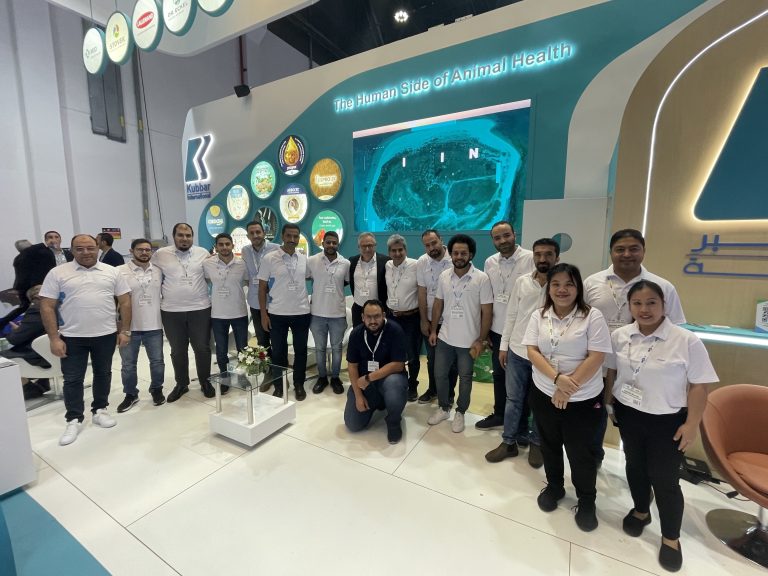
(O&T Farms booth at the International Farmers Summit, Phillipines)
Feb 2020
As a global leader in land-based Omega-3 livestock ingredients, O&T Farms participated in the International Farmers Summit Feb.12-14, 2020 in Pasay City, Philippines. The International Farmers Summit, the largest agrifood exhibition and forum in Asia, gathered farmers, breeders, food processors, and suppliers from across the world. Our associates from The Camden Trading Group and BMC presented the linPRO branded products at The Farmers Summit.
This year, O&T Farms brought linPRO-24, the custom formulated Omega-3 animal feed ingredient developed especially for layers and poultry, to the exhibition. LinPRO-24, made from a blend of full-fat flaxseed, pulses, and canola under O&T Farms’ patented dry-extrusion process, is highly digestible and palatable. The significant level of Omega-3 contained in linPRO-24 supports livestock health and the enrichment of functional food products (eggs and chicken).
Knowing Asia has the largest population of the world’s continents, accounting for 20% of total global food and agriculture exports and 31% of total food and agriculture imports, O&T Farms has actively attended the Asian agriculture and food exhibitions, including the International Farmers Summit, VIV China, and VIV Asia, and we stay connected with local businesses in the region. The company commits to providing the nutritionally better Omega-3 solution across the world.
(O&T Farms team at 2020 IPPE)
Jan 2020
O&T Farms continously attended IPPE (International Production & Processing Expo) Jan 28-30, in Atlanta, GA, USA. IPPE is the world’s largest annual poultry, meat, and feed industry event. This year, IPPE attracted more than 32,000 attendees and 1,376 exhibitors from all over the world.
As a proven leader in poultry nutrition, O&T Farms brought Developmental Programming research results to IPPE. The epigenetic research, partenered with University of Guelph research team since 2017, has domonstrated the maternal feeding of linPRO, a land-based and dry-extruded Omega-3 animal feed ingredient, can significantly lead the skeletal development in pullets and improve progeny breast meat yield.
Apart from R&D, O&T Farms has been also dedicated to working collaboratively with feed and food companies in more than twenty countries to improve animal nutrition, human health, and operation efficiency. Our mission is to be the preferred provider of nutritionally better land-based Omega-3 animal feed ingredient across the world.

The transition period represents the most critical stage of a dairy cow’s production cycle. The cow undergoes extreme metabolic and physiological changes which increase the risk of production and reproductive failure later-on. There is a growing body of evidence suggesting that increasing availability of dietary omega-3 fatty acids can have a profound impact on mammalian immune and reproductive systems; therefore, omega-3 fatty acids may play an essential role in ensuring long-term productive success within the dairy industry.
Reproductive failure is a predominant reason for culling on North American dairy farms representing nearly 30% of herd culls1 . This represents a significant economic loss within the industry and influences herd sustainability, especially in incidence where reproductive failure occurs during a cow’s first lactation. Omega-3 fatty acids have been suggested to improve reproductive processes in dairy cattle and offer a potential dietary solution to the problem. The commercial feed ingredient known as linPRO-R is rich in these fatty acids and, therefore, may support a well-rounded reproductive management program on-farm.
Researchers at Penn State University -led by Dr. Troy Ott- are conducting a large-scale commercial research project to evaluate the effects of feeding linPRO-R to transition dairy cattle on subsequent reproductive performance. Preliminary results from this research were presented in at the 2019 annual Meeting of the American Dairy Science Association2. The data showed that, even in a high-performing herd, feeding linPRO-R three weeks prior to calving improved 1st service conception rates of primiparous cows by more than 10% when compared to a control group.
“Seeing such a reproductive response in a herd that already had exceptional conception rates was unexpected”, says Ott. “It would be interesting to see what level of response might be attained in a herd experiencing poor or average reproductive success.”
In addition to reproductive failure, chronic inflammation after calving represents another significant source of economic loss on-farm, due to increased risk of involuntary culling and associated reductions in milk production. In particular, mastitis represents the costliest inflammatory disease within the dairy industry, today. Dietary omega-3 fatty acids have been identified as regulating inflammatory immune responses in mammals; therefore, it was hypothesized that feeding linPRO-R may induce an anti-inflammatory in dairy cattle when fed to transition dairy cattle.
Earlier work conducted presented by Penn State researchers at the 2017 American Dairy Science Association Meetings reported a reduction in inflammatory markers when dairy cattle were fed linPRO-R post-partum4. Currently, Dr. Ott is examining the effects of feeding linPRO-R on the immune function in transition dairy cows raised in a commercial settings.
“Our ongoing research is trying to determine if feeding a diet containing omega-3 fatty acids promotes changes in immune function that are beneficial to cow health and whether this contributes to improve reproductive performance and milk production”, says Ott.
The benefits of improving dietary availability of omega-3 fatty acids for dairy cattle continue to unfold through high-caliber research initiatives such as those being conducted by Penn State University. The data generated on linPRO-R– especially data from commercial trials- continue to help producers and their nutritionists formulate practical feeding strategies that will support long-term production and economic success on-farm.
Janna Moats, MSc, PAg
Technical Services Manager

2019 ABEX (Achieve Business Excellence) Awards Ceremony happened on October 19, 2019 in Saskatoon, Saskatchewan, Canada. O&T Farms was honored with the ABEX (Achieve Business Excellence) Hall of Fame award for its outstanding contributions to the economic development of Saskatchewan.
Tim Wiens, the president of O&T Farms, said this award means so much to the entire company because it is the recognition of O&T Farms’ hard work and the vision of becoming the leading nutritionally better Omega-3 solution provider across the world.
The Saskatchewan Business Hall of Fame was established in 1990 to recognize businesses that have demonstrated excellence over an extended period of time, contributing to the province. O&T Farms based in Regina, Saskatchewan, Canada has gone from the one of the largest egg producers in Canada to the global leader of land-based Omega-3 livestock ingredeints. The company manufactures highly digestible and stable Omega-3 feed ingredients under the name LinPRO, blending flaxseed, canola, and pulses in a patented dry-extrusion process.
LinPRO is both non-GMO and can be organic certified, and is the leading specialty feed ingredient for nutritionally better Omega-3 functional food in the world. With the capacity to annually ship upwards of 110,000 tonnes of their patented, trademarked, and value-added feed ingredient, linPRO to international customers and partners, O&T Farms is selling Saskatchewan worldwide.

The transition period represents the most critical stage of a dairy cow’s production cycle. The cow undergoes extreme metabolic and physiological changes which increase the risk of production and reproductive failure later-on. There is a growing body of evidence suggesting that increasing availability of dietary omega-3 fatty acids can have a profound impact on mammalian immune and reproductive systems; therefore, omega-3 fatty acids may play an essential role in ensuring long-term productive success within the dairy industry.
Reproductive failure is a predominant reason for culling on North American dairy farms representing nearly 30% of herd culls1 . This represents a significant economic loss within the industry and influences herd sustainability, especially in incidence where reproductive failure occurs during a cow’s first lactation. Omega-3 fatty acids have been suggested to improve reproductive processes in dairy cattle and offer a potential dietary solution to the problem. The commercial feed ingredient known as linPRO-R is rich in these fatty acids and, therefore, may support a well-rounded reproductive management program on-farm.
Researchers at Penn State University -led by Dr. Troy Ott- are conducting a large-scale commercial research project to evaluate the effects of feeding linPRO-R to transition dairy cattle on subsequent reproductive performance. Preliminary results from this research were presented in at the 2019 annual Meeting of the American Dairy Science Association2. The data showed that, even in a high-performing herd, feeding linPRO-R three weeks prior to calving improved 1st service conception rates of primiparous cows by more than 10% when compared to a control group.
“Seeing such a reproductive response in a herd that already had exceptional conception rates was unexpected”, says Ott. “It would be interesting to see what level of response might be attained in a herd experiencing poor or average reproductive success.”
In addition to reproductive failure, chronic inflammation after calving represents another significant source of economic loss on-farm, due to increased risk of involuntary culling and associated reductions in milk production. In particular, mastitis represents the costliest inflammatory disease within the dairy industry, today. Dietary omega-3 fatty acids have been identified as regulating inflammatory immune responses in mammals3; therefore, it was hypothesized that feeding linPRO-R may induce an anti-inflammatory in dairy cattle when fed to transition dairy cattle.
Earlier work conducted presented by Penn State researchers at the 2017 American Dairy Science Association Meetings reported a reduction in inflammatory markers when dairy cattle were fed linPRO-R post-partum4. Currently, Dr. Ott is examining the effects of feeding linPRO-R on the immune function in transition dairy cows raised in a commercial settings.
“Our ongoing research is trying to determine if feeding a diet containing omega-3 fatty acids promotes changes in immune function that are beneficial to cow health and whether this contributes to improve reproductive performance and milk production”, says Ott.
The benefits of improving dietary availability of omega-3 fatty acids for dairy cattle continue to unfold through high-caliber research initiatives such as those being conducted by Penn State University. The data generated on linPRO-R- especially data from commercial trials- continue to help producers and their nutritionists formulate practical feeding strategies that will support long-term production and economic success on-farm.
Janna Moats, MSc, PAg
Technical Services Manager

O&T Farms brought linPRO, its dry-extruded plant-based Omega-3 animal feed ingredients to the 2019 Saskatchewan Asia Trade Conference on July 11th, 2019 in Regina, Saskatchewan, Canada.
This year’s conference focused on the trade opportunities between Asia and Canada, as well as giving updates on Canadian agricultural commodities. The conference also offered a unique opportunity for Saskatchewan exporters to connect with trading partners and potential buyers from Asia.
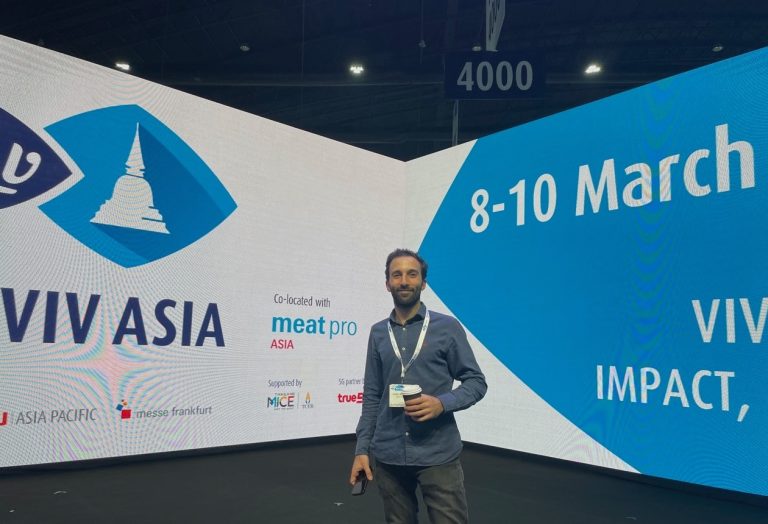
O&T Farms, as a platinum member of Saskatchewan Trade & Export Partnership (Step), connected with 89 approved buyer representatives from Vietnam, China, Japan, and Philippines during the Business to Business (B2B) matching meetings. In March this year, O&T Farms also participated in VIV Asia in Bangkok, Thailand and connected with hundreds of Asian agricultural businesses. With an understanding of international trade, O&T Farms spread the Omega-3 news to the Asian market.

Discussions on poultry research at the University of Guelph continued through this summer. O&T Farms attended the PSA (Poultry Science Association) Annual Meeting on July 15th, 2019 in Montreal, QC, Canada. This year’s meeting continued to focus on poultry nutrition, health, and production. The second stage of the O&T Farms’ epigenetic research on breeder birds, in collaboration with the University of Guelph, was presented during the meetings by University of Guelph researchers.
As a proven leader in poultry nutrition, O&T Farms, in collaboration with the University of Guelph, initiated a series of research projects focused on developmental programming in both broiler and pullet breeding stock, starting in 2017. The purpose of the research was to determine the effects of feeding omega-3 fatty acids to breeder birds on reproductive efficiency, embryonic survival, as well as the epigenetic influence on progeny performance, development, and overall health. The first and second stage of the research has shown that the maternal feeding of linPRO can significantly improve skeletal strength in young pullets by nearly 22% compared to the control.
O&T Farms manufactures several digestible and stable omega-03 animal feed ingredients under the brand name linPRO; blending flaxseed and pulses through our patented dry-extrusion process, linPRO is non-GMO and also available under certified organic labels.

The way in which the transition period is managed will make or break a dairy operation. When done right, transition cow management fosters healthy animals with the capacity to meet their genetic production potential. When done wrong, there can be negative impacts on the cow’s welfare and the sustainability of the entire operation. Of all the management parameters involved, nutritional management plays a critical role for transition cows and new research suggests that linPRO-R could play a big role in achieving success.
Today, fatty acids are playing a larger role in the formulation of transition dairy cow diets. Historically, fatty acid supplementation during this time was viewed merely as a source of dietary energy that could be used to mitigate the effects of negative energy balance in the animal. However, science has now confirmed that individual fatty acids are more than just a source of energy, they are bioactive compounds playing a functional role in animal physiology. These advancements have caused a shift away from dietary “fat” management and towards selection of specific “fatty acids” aimed to support animal health and production during this critical time of the cow’s life.
The potential for omega-3 fatty acid supplementation to mitigate chronic inflammation and support reproduction through transition dairy cow feeding has gained a lot of attention in industry. Inflammation is essential for fighting infection and naturally increases post-calving; however, when left unchecked it can become chronic resulting in an energetic drain on the animal and increased risk of health challenges and reproductive failure 1,2. The omega-3 fatty acid known as alpha-linolenic acid (ALA) has been shown to reduce inflammation3 and also support reproductive function4. Therefore, incorporating a source of ALA omega-3 fatty acids into the transition cow diet may be a useful tool for nutritionists working to balance the immune response of dairy cattle and mitigate risk of inflammatory related challenges on-farm.
Dr. Troy Ott and his team of researchers at Penn State University are evaluating the impact of the commercially available product linPRO-R on transition cow immunology and performance. LinPRO-R is used within the dairy industry and contains a unique fatty acid profile consisting primarily of ALA omega-3 fatty acids. Through a series of both small-scale controlled studies and large-scale commercial studies, Ott aims to determine if feeding linPRO-R could be used to balance inflammation, improve reproduction and optimize milk performance in transition dairy cattle.
Initial trial data reported a down regulation inflammatory responses in post-partum dairy cattle2. This was identified by a reduction in key inflammatory markers such as TNF, IL-6 and IL-10. The data generated in this research confirmed that feeding linPRO-R resulted in an anti-inflammatory response when fed to post-partum Holstein dairy cows.
“Ongoing research at Penn State supports the hypothesis that feeding a diet enriched in omega-3 fatty acids (LinPRO™-R) from calving to 21 days after calving alters immune cell function in transition dairy”- Dr. Troy Ott, Professor of Reproductive Physiology, Penn State University; Associate Director of the Huck Institutes of the Life Sciences
The next stage of the Penn State research took linPRO-R onto commercial dairy operations. Dr. Ott and his team are evaluating different linPRO-R transition cow feeding programs under large-scale commercial setting over the span of an entire production year. Preliminary data suggest feeding the product during the entire transition period could improve reproduction and overall milk production. The team is finishing up their analyses of the data and will present preliminary results at the 2019 American Dairy Science Associations Annual General Meeting (June 23-26; Cincinnati, Ohio) poster sessions (Poster M160).
Fatty acid nutrition has come a long way and allows nutritionists the opportunity to more accurately manage the animal needs and challenges on each farm. Various commercial sources of fatty acids are available and may offer unique opportunities during various stages of dairy cow production. New research indicates that linPRO-R may be the perfect tool for dairy producers seeking to optimize animal health, reproduction and milk production through their transition cow’s diet.
Janna Moats, MSc, PAg
Technical Services Manager


Developmental programming has the greatest application potential for modern poultry production as a strategy to meet the demands associated with an ever-changing global market. Although the industry has seen significant advancements over the years, many of the conventional management systems have become obsolete in this new world of food production. It’s time for the industry to move towards a new 21st century vision of the poultry industry that encompasses all stages of production and an understanding of the lasting effects one stage can have on the next.
Developmental programming refers to the ability of specific exposures during pre- and early-life to impact epigenetic mechanisms resulting in lasting physiological, developmental, and immunological changes. As a single example, access or denial of specific nutrients during critical stages of development can have profound effects on the production potential and health of birds. Understanding the implications of these exposures could provide a valuable tool towards ensuring sustainability of the industry.
In the broiler industry, advancements in genetic and nutritional sciences have resulted in a modern broiler bird that reaches market weight at a significantly younger age. To put it into perspective, approximately 40% of a meat-bird’s total life is spent within the egg(1). This means, there is a limited window of opportunity for producers to address any immunological challenges that could threaten production efficiency post-hatch. Combine this with the increasing pressures for reduced on-farm treatments and growing desire for alternative housing systems, we see the sustainability of the industry becoming compromised. Therefore, it is critical for the poultry industry to begin applying pre-hatch strategies to produce robust chicks that can meet their genetic production potential.
The fatty acid composition of the broiler breeder diets is an area of great opportunity for developmental programming. Dietary fat sources represent a critical nutrient for developing embryos as it represents over 30% of the yolk(2) Furthermore, the fatty acid composition of the yolk fat is greatly influenced by the maternal diet consumed by the breeder bird.
As an example, research has demonstrated that feeding breeder broiler birds a diet with higher levels of omega-3 fatty acids altered the cell-mediated immune response in progeny chicks and reduced inflammation(3) This lasting change from early-life nutrient exposure is suggested to allow more energy to be available for production purposes. Interestingly, this response persisted for up to 21-days post-hatch as the birds continue to utilize the maternal nutrients through their abdominal yolk-sac.
Dr. Elijah Kiarie and a team of researchers from the University of Guelph are taking a closer look into fatty acid nutrition and its application of developmental programming in poultry production systems. According to Dr. Kiarie, “Omega-3 fatty acids are known to play critical roles in the regulation of a variety of biological processes including development of vital organs such as skeleton, brain, gastrointestinal and engender transgenerational effects on development and behavior.”
The ambitious research initiative will evaluate the impact of various feeding programs for breeder stock and their progeny that include the commercially available, omega-3 feed ingredient known as linPRO. Variables including reproductive efficiency of breeder birds, the resulting embryonic development at the hatchery along with the subsequent health, performance, carcass quality, skeletal development and overall robustness of the progeny will all be measured.
Dr. Kiarie believes the knowledge gained from this research will help advance the industry. “The embryo to neonate transition is a critical period of development in poultry in which important genetic programs governing metabolism and growth are established. The potential of omega-3 fatty acids in stimulating bone, brain, and immune cells development at embryonic through to early phases of chicks could significantly improve poultry productivity and welfare.”
Preliminary results already show promise for the application of an omega-3 developmental feeding program for pullet breeder flocks. Dr. Kiarie explains that “Our study evaluated the effects of maternal and post-hatch dietary offering of linPRO on skeletal development in pullets and found that pullets from breeder stock fed linPRO had more tibia ash weight and stronger tibia than pullets from the control breeder group.”Dr. Kiarie goes on to state that “these findings demonstrated effectiveness of maternal and post-hatch feeding of omega-3 fatty acids in support of skeletal strength in young pullets which can greatly reduce poor egg shell quality and skeletal maladies seen in laying hens across all housing types.”
Dr. Kiarie also highlights promising initial data compiled on broiler breeder stock. “Data compiled on broiler birds suggests potential to improve breast yield in the progeny when linPRO is introduced during both the breeder diet and in post-hatch diets.”
Dr. Kiarie and his team will be presenting their findings within the coming months at the upcoming Animal Nutrition Conference of Canada (ANCC, May, 2019; Niagara Falls, ON) as well as the Poultry Science Association Meetings (PSA, July, 2019; Montreal, QC).
Janna Moats, MSc., PAg, Technical Services Manager